Guide
Choosing a Bedside Lamp for a Small Bedroom
Footprint, height, glare, power and the colour of the light: how to pick a bedside lamp when the nightstand is small and the room is smaller.
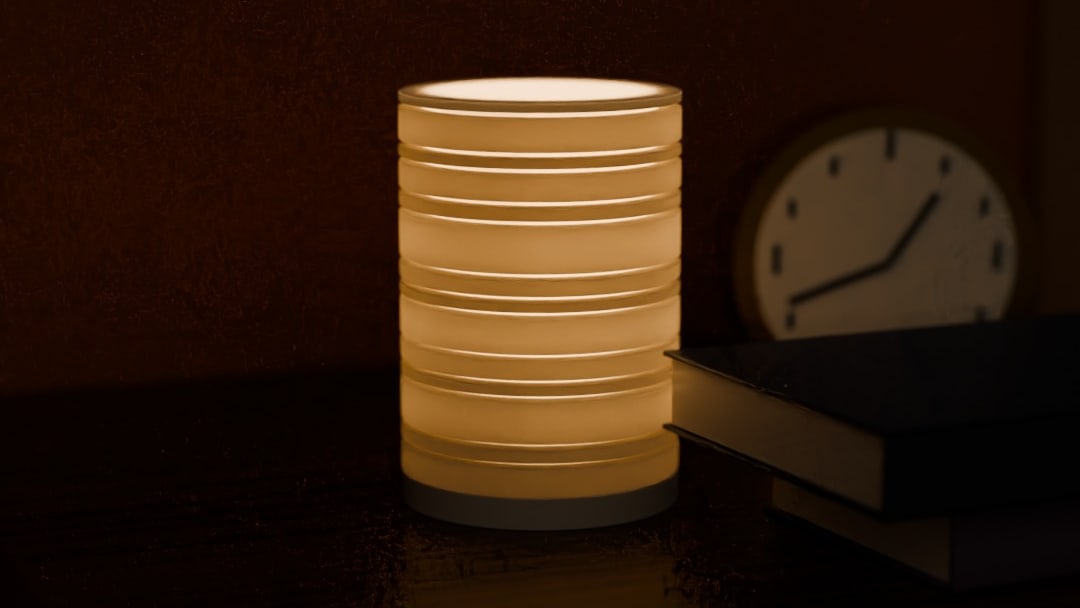
The short answer: measure the top of your nightstand and leave room for a phone, a glass and a book; choose a lamp that hides its bulb from where you lie; pick warm white light; and if the socket is awkward, go cordless. In a small bedroom, a narrow lamp with shielded light beats a big shade every time.
1. How much room does the lamp have?
Measure the top of your nightstand, or the shelf or ledge you use instead. Then subtract what lives there every night: a phone, a glass of water, a book, perhaps glasses. What is left is your lamp's footprint.
In a small bedroom that often means a lamp no wider than 10 to 15 cm. A round or square base uses the space more honestly than a wide shade that overhangs the edge and gets knocked.
2. What is the lamp for?
- Reading in bed needs light that lands on the page, from a lamp tall enough to clear the book.
- Winding down needs a low, warm glow that lights the corner without lighting your face.
- Getting up at night needs a light you can switch on without reaching across the bed.
Most small bedrooms need the second and third. If you also read, you need light that is directed downwards or a separate reading light.
3. Should you see the bulb?
In a small room you are close to the lamp, and a visible bulb is glare. Look for a lamp whose light comes through a diffusing shade, slats or cells, so you see a glow rather than a point. A lamp that directs its light down onto the nightstand is the most restful.
4. How tall should a bedside lamp be?
For reading, the light source should sit roughly at shoulder height when you are sitting up in bed, so the light falls on the page and not in your eyes. For a glow-only lamp, lower is fine, and a short lamp keeps the nightstand looking uncluttered.
5. Cordless or wired?
If the socket is behind the bed or on the other side of the room, a cordless lamp saves you an extension cable across the floor. It charges over USB-C and moves with you, from the bedside to the dressing table. A wired lamp gives a steadier, often brighter light and never needs charging, but it needs a socket within reach of the cord.
6. Warm or cool light for the evening?
Choose warm white light, around 2700–3000 K on a bulb box. It is softer on the eyes at night than cool white. A lamp you can dim is a bonus.
7. Can the lamp be the one object on the nightstand?
A small room can't take many things. A bedside lamp that looks good switched off as well as on lets you skip the clutter of a lamp plus a decoration. That is the case for a sculptural lamp in a small space.
Which lamps fit a small nightstand?
TERAS is our smallest cordless lamp by footprint, with banded light that glows rather than glares.
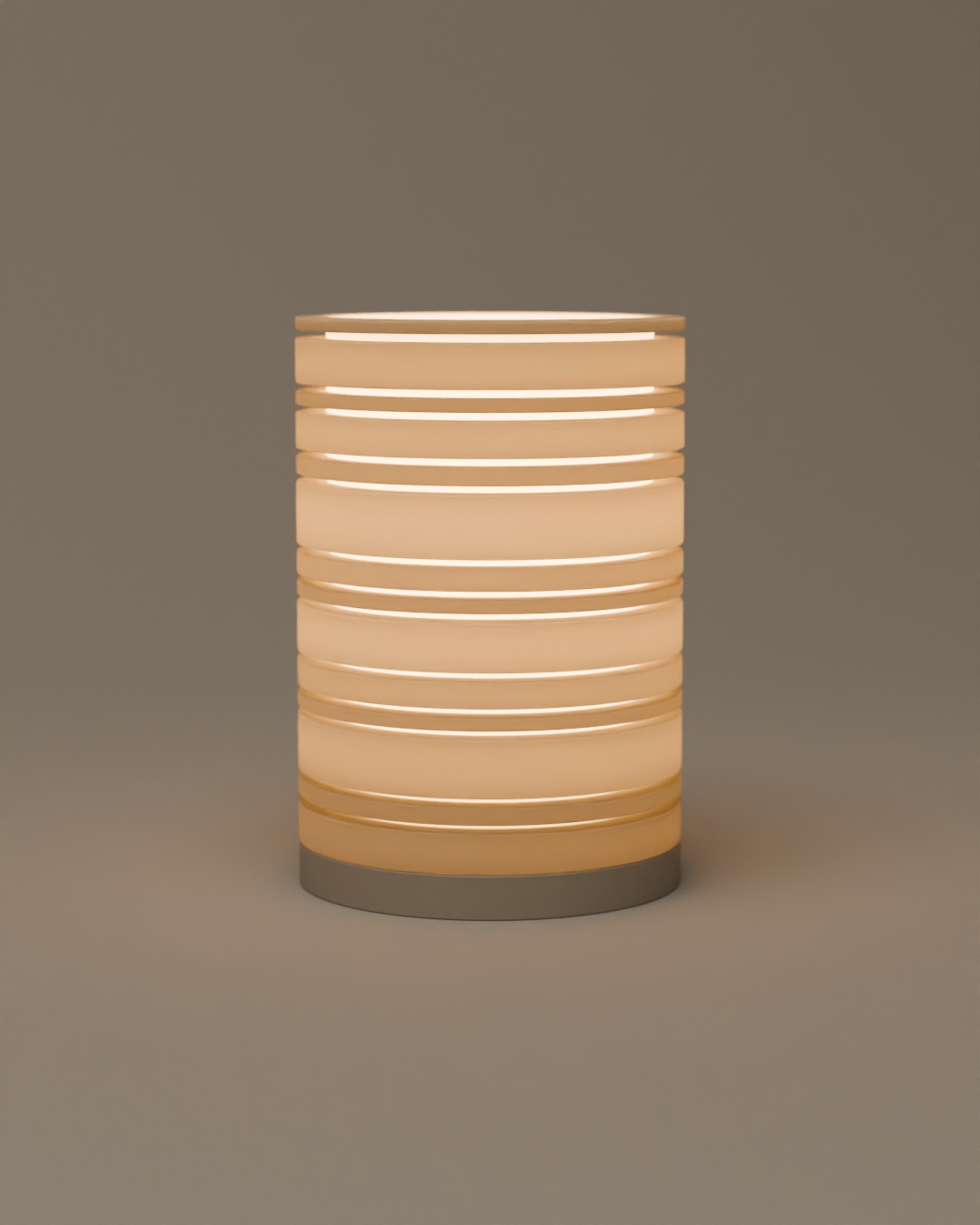
ANGIN is a compact cordless breeze-block cube. Against the wall beside the bed it throws its diamond grid as a shadow.
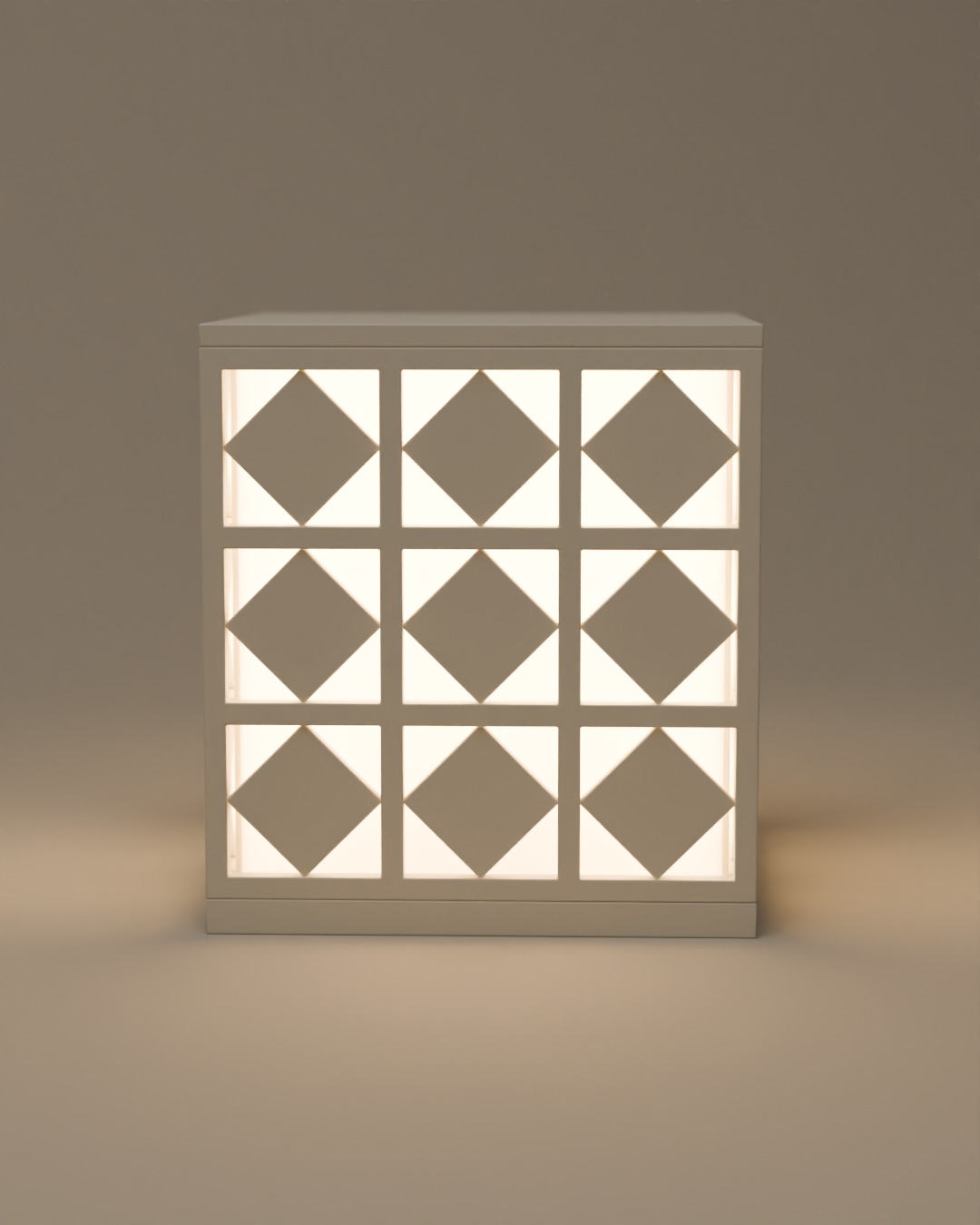
BIDAI is wired and directs its light down through tilted slats, so you never see the bulb from the pillow: the reading choice, on a small square base.
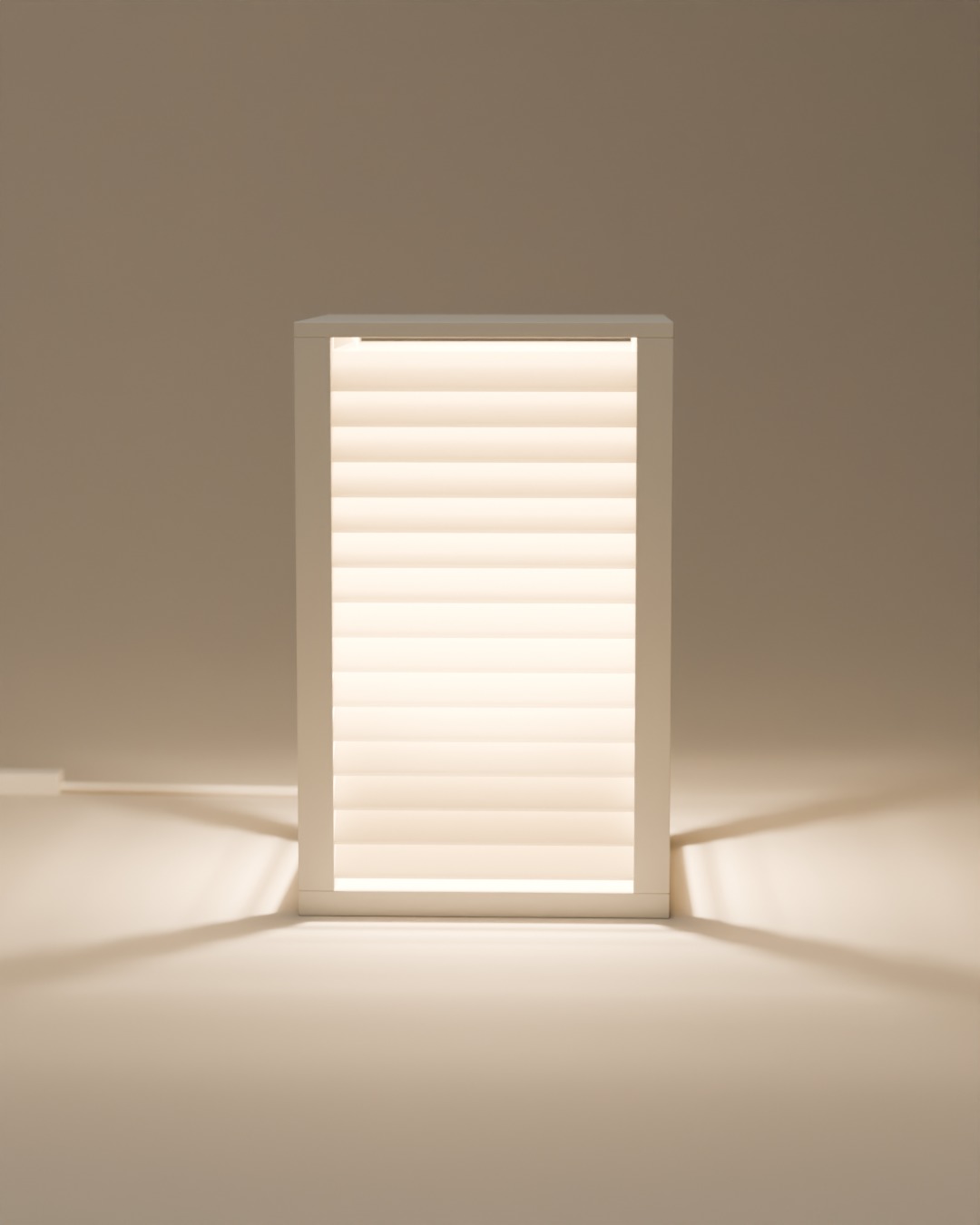
DIAL is our lowest lamp and dims with a turn of its ring, a good night light for a shelf above the bed.
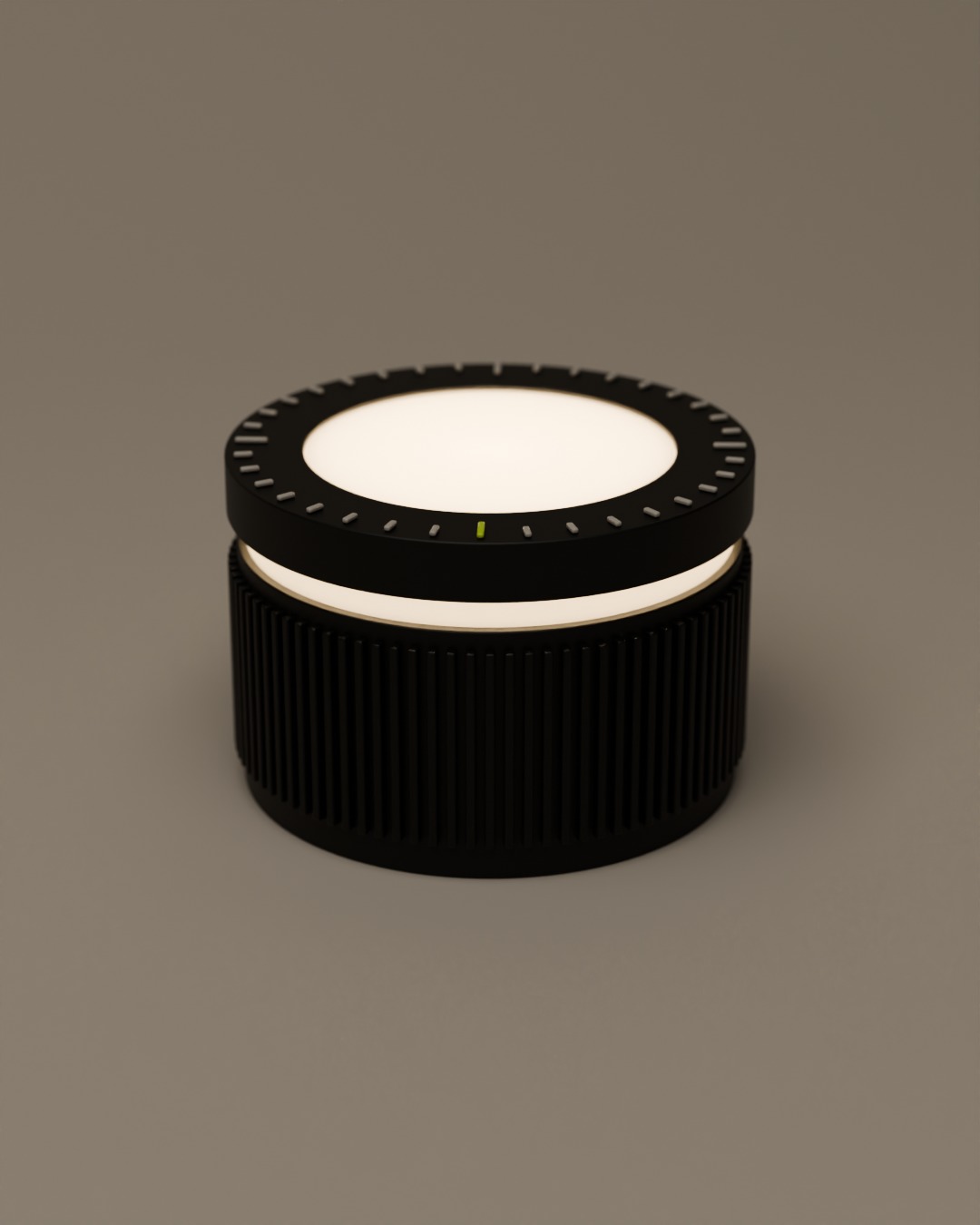
Each product page lists the exact dimensions, so you can check them against your nightstand.
A quick checklist
- Measure the nightstand; leave space for your nightly things.
- Shielded light, no visible bulb from the bed.
- Shoulder height for reading; lower for a glow.
- Cordless if the socket is awkward.
- Warm white, dimmable if you can.