Guide
Which Bulb for a 3D-Printed Lamp Shade?
LED only, the right base, the right shape and the right colour of light: how to choose a bulb that is safe in a printed shade and looks good in it.
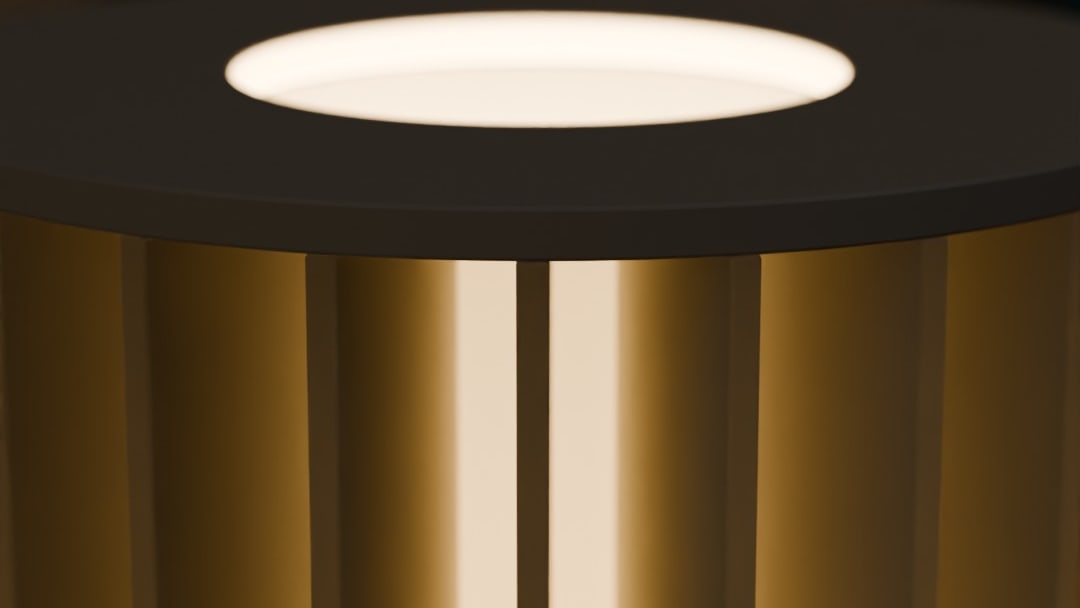
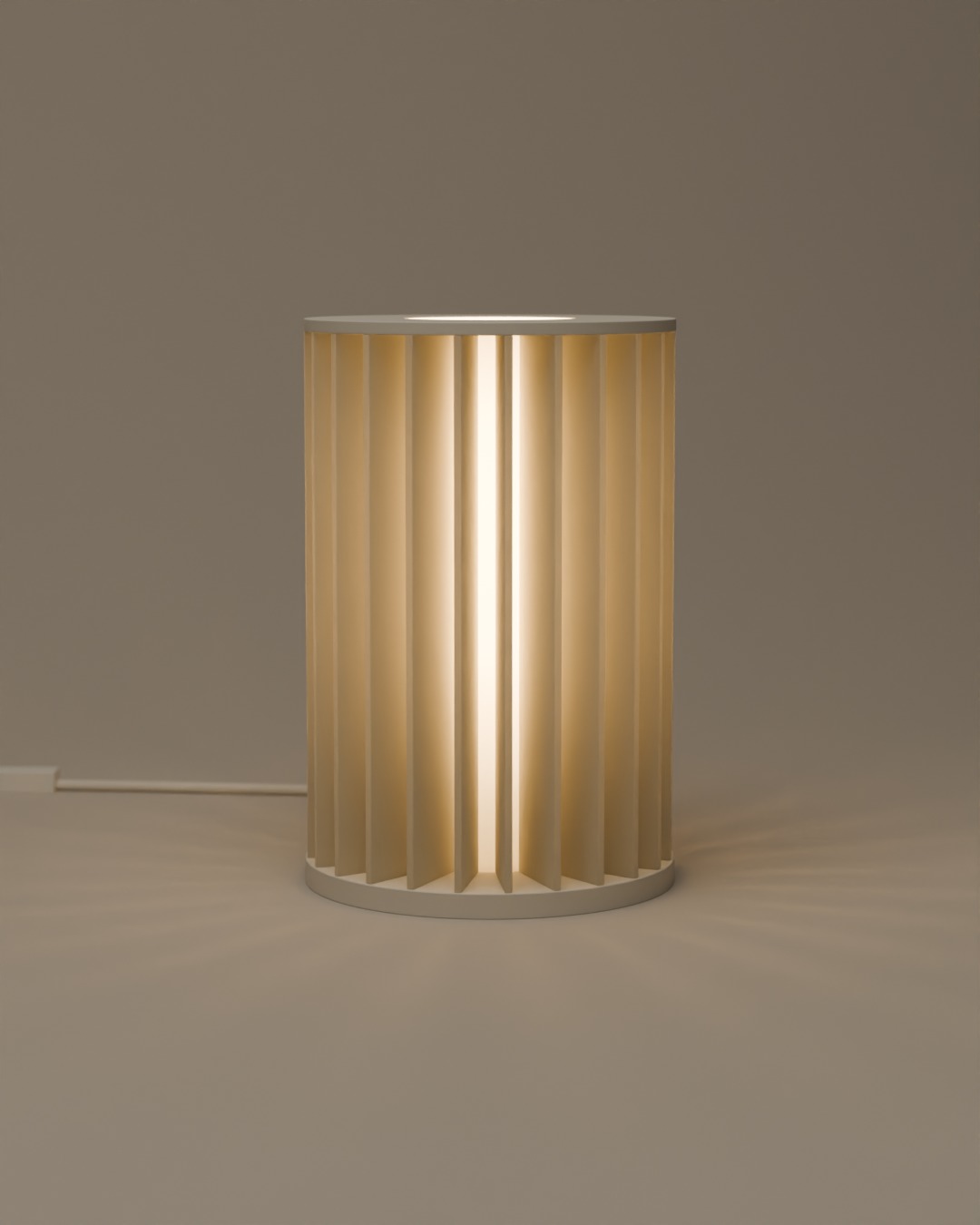
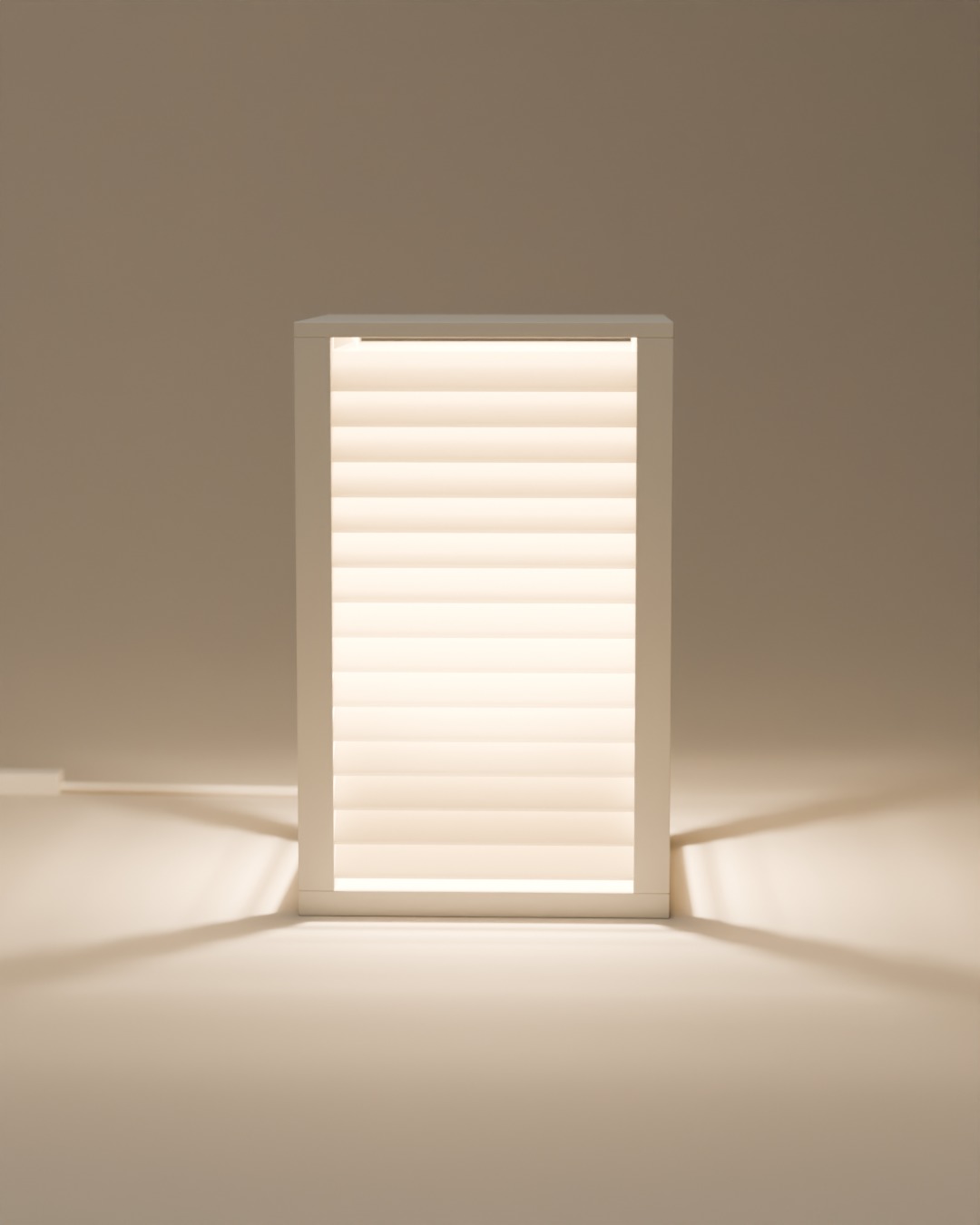
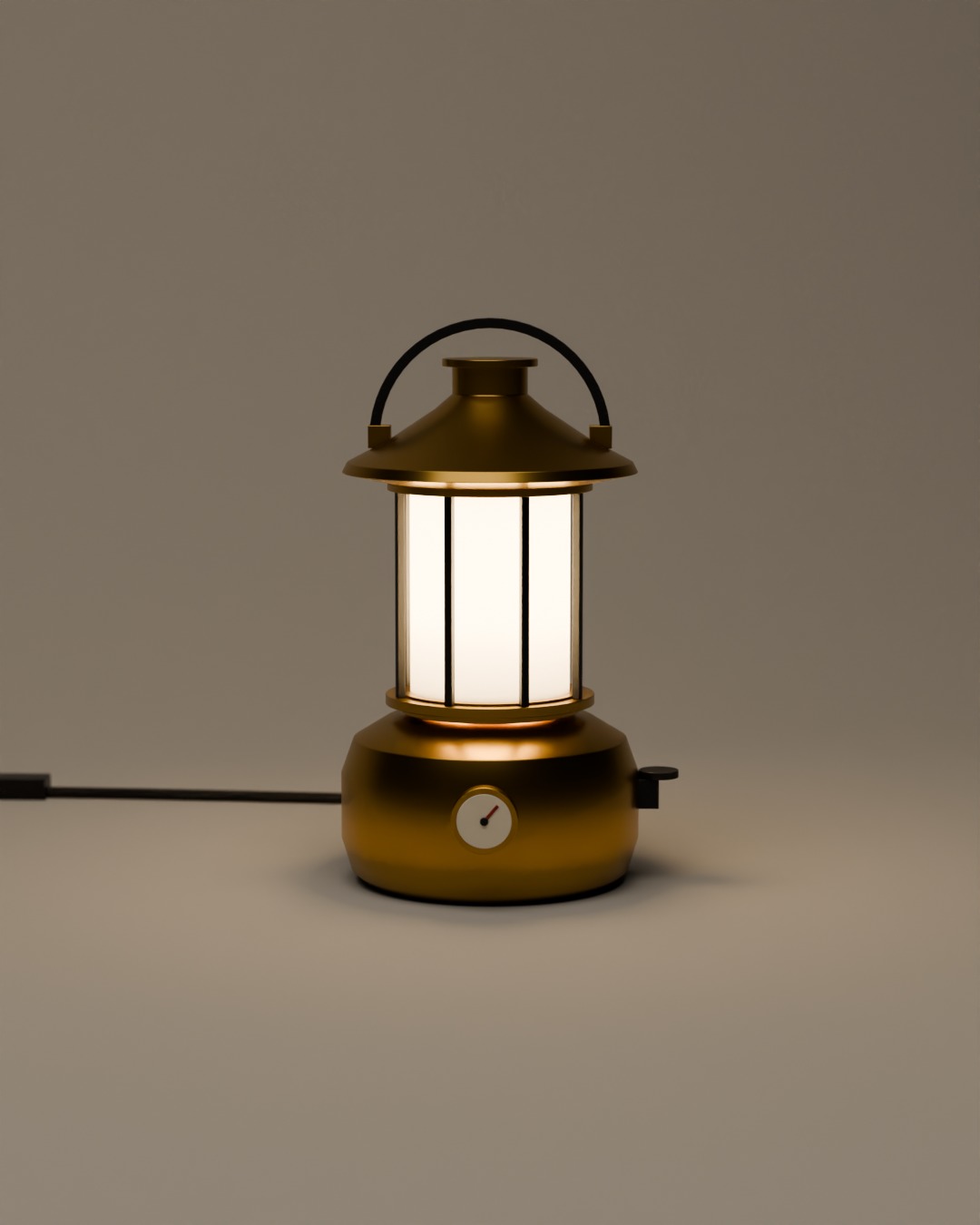
The short answer: use an LED bulb, never incandescent or halogen; match the base the lamp was made for (usually E27 or E14); stay within the maximum wattage the maker states; and choose a frosted bulb that doesn't touch the shade. Most printed shades are PLA, which starts to soften at around 55–60 °C, so heat is the thing to get right.
Why does the bulb matter more in a printed shade?
Most 3D-printed lamp shades are made of PLA, a plant-based plastic that prints cleanly and passes light beautifully. Its weakness is heat: it begins to soften at around 55–60 °C. A shade that softens can sag or warp, and it never springs back.
An incandescent or halogen bulb turns most of its power into heat, and its glass runs far hotter than PLA can take. An LED bulb turns much more of its power into light and runs much cooler. That is why every well-made printed lamp is sold as LED only, and why the maker should keep a gap between bulb and shade. We keep PLA at least 10 mm from any bulb in our designs.
Some printed parts use PETG, which handles heat better than PLA. It is still a plastic, and the LED-only rule still applies.
1. Which base does your lamp take?
The base is the metal end that goes into the lampholder.
- E27: the standard 27 mm screw base, the one most table lamps take.
- E14: the small 14 mm screw base, used for smaller globes and lanterns.
- B22: a bayonet (push and twist) base, common in older Malaysian fittings.
The base doesn't change the heat, but the wrong one won't fit. The product page or the care card should name it.
2. How many watts can the shade take?
A lamp's maximum wattage is the most power a bulb in it should draw. For a printed lamp it should come from a heat test, not a guess. An LED box often shows two numbers, for example "60 W equivalent" in large type and the real power in small type. The real power is the one that counts, and for a typical LED it is under 10 W.
If a printed lamp doesn't state a maximum, ask the maker before you fit anything brighter than the bulb it came with.
3. How bright should the bulb be?
Watts measure power used; lumens measure light given. For a bedside or a mood lamp, a modest LED is plenty, especially in a shade that glows across its whole surface. A brighter bulb doesn't make a better-looking lamp: it can flatten the pattern and show every layer line.
4. Warm or cool light?
Colour temperature is given in kelvin (K) on the box.
- Warm white (about 2700–3000 K): soft and yellowish, the usual choice for bedrooms and living rooms, and kind to bone-white and brass shades.
- Cool or daylight white (4000 K and above): crisper, better for task light, but it can make a translucent shade look clinical.
5. Frosted or clear?
A frosted globe spreads its light, so a thin shade glows evenly. A clear filament-style bulb is a bright point, and in a translucent shade it shows as a hot spot. Size matters too: a bulb must never touch the shade, so use the same size and shape as the one supplied.
6. Can you dim it?
Only use a dimmable LED on a dimmer. A non-dimmable LED on a dimmer can flicker or buzz.
7. How do you know a bulb is approved?
In Malaysia, look for the SIRIM-ST label on the bulb's packaging, which shows it is approved for sale here.
Do cordless lamps need a bulb?
A cordless lamp uses a sealed LED module with its own battery and charging circuit. There is nothing to swap, and you shouldn't open it.
A quick checklist
- LED only.
- The right base: E27, E14 or B22.
- Real wattage at or below the stated maximum.
- Warm white for living spaces.
- Frosted, and not touching the shade.
- Dimmable only if the lamp has a dimmer.
- A SIRIM-ST label on the box.
How do BAYANG lamps handle it?
Our wired lamps come with a frosted LED globe fitted: E27 in most, E14 in PAM. Each keeps a measured gap between the globe and the nearest printed part. The maximum bulb wattage for each lamp will be published from our heat tests: [OWNER: maximum bulb wattage per lamp]. See care for the full rules.