WARISAN collection
Where it comes from
PAM comes from the lampu pam, the pressure lantern that lit night markets and kampung feasts before electricity reached everywhere. WARISAN, our heritage collection, draws objects like this with clean geometry and flat colour rather than imitating their wear.
Making factThe chimney prints in vase mode as one continuous frosted wall, and the guard bars and handle print flat.
The form
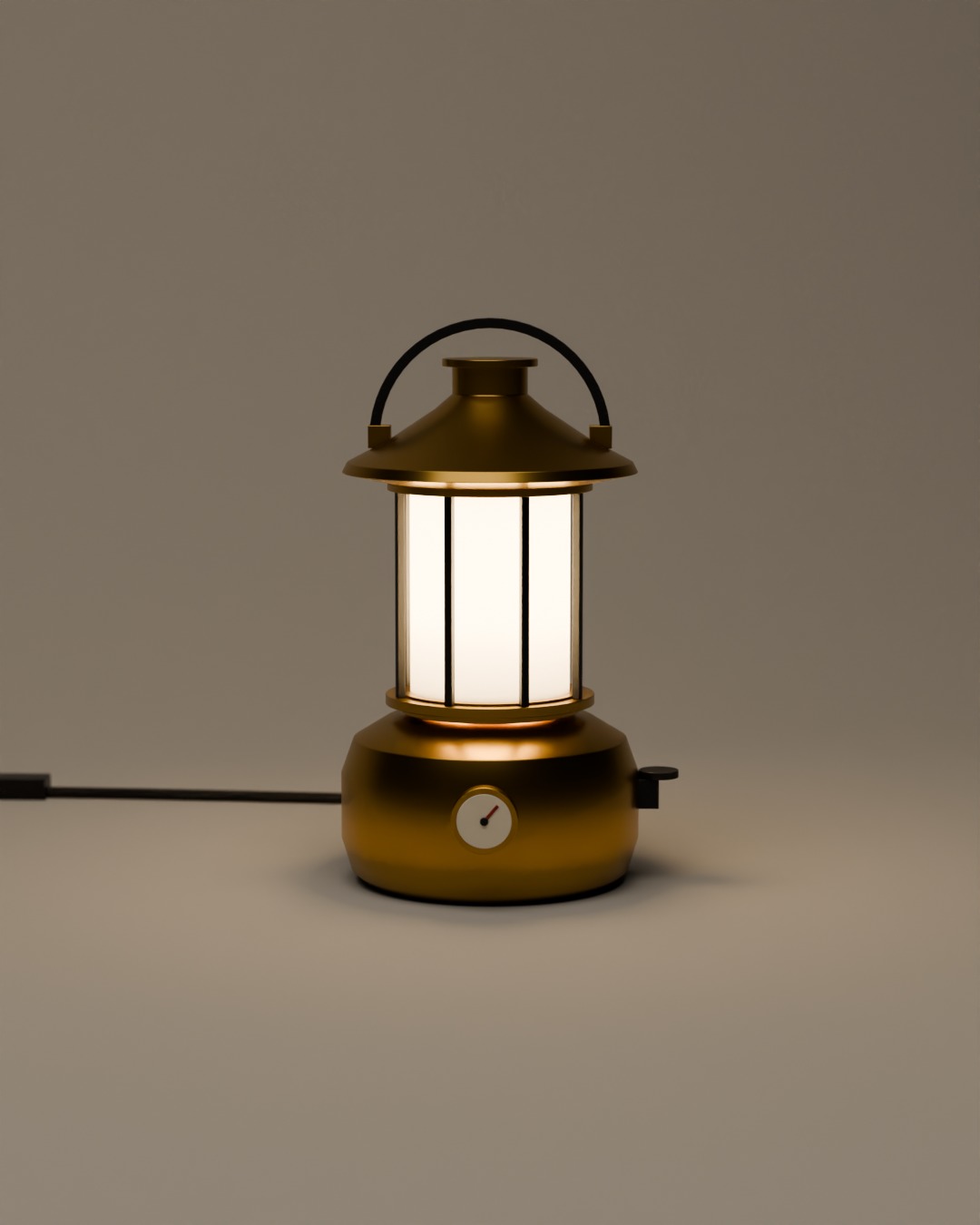
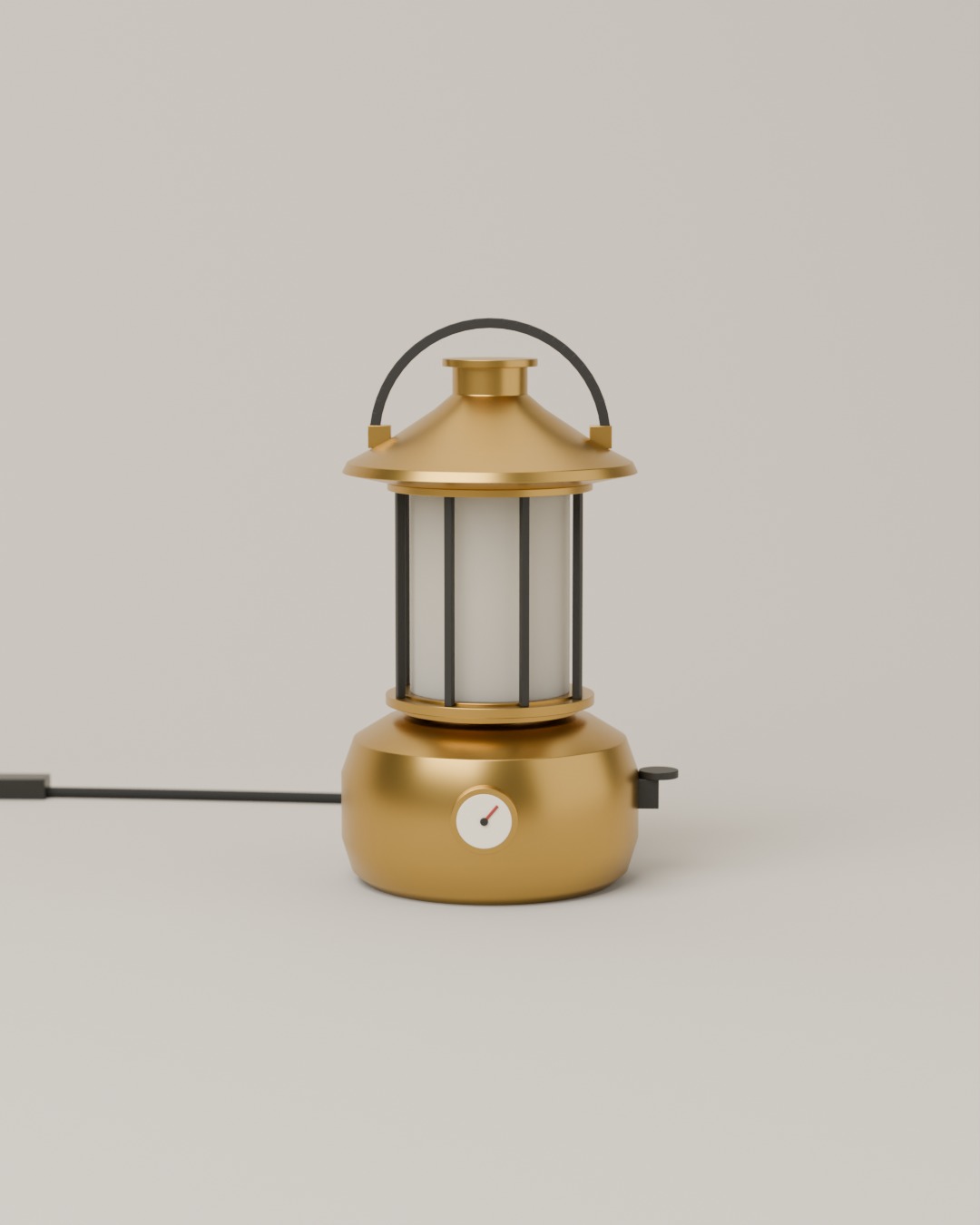
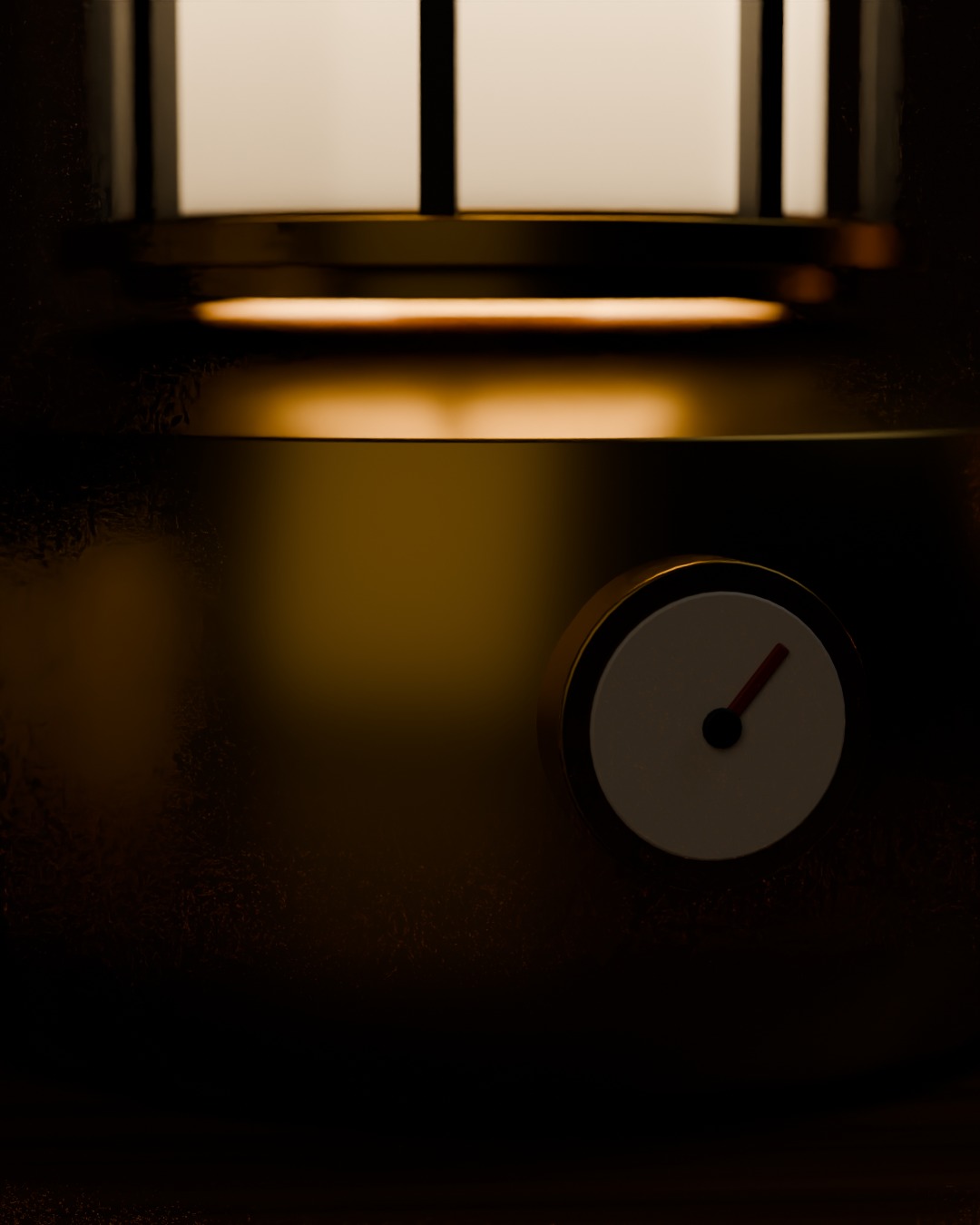
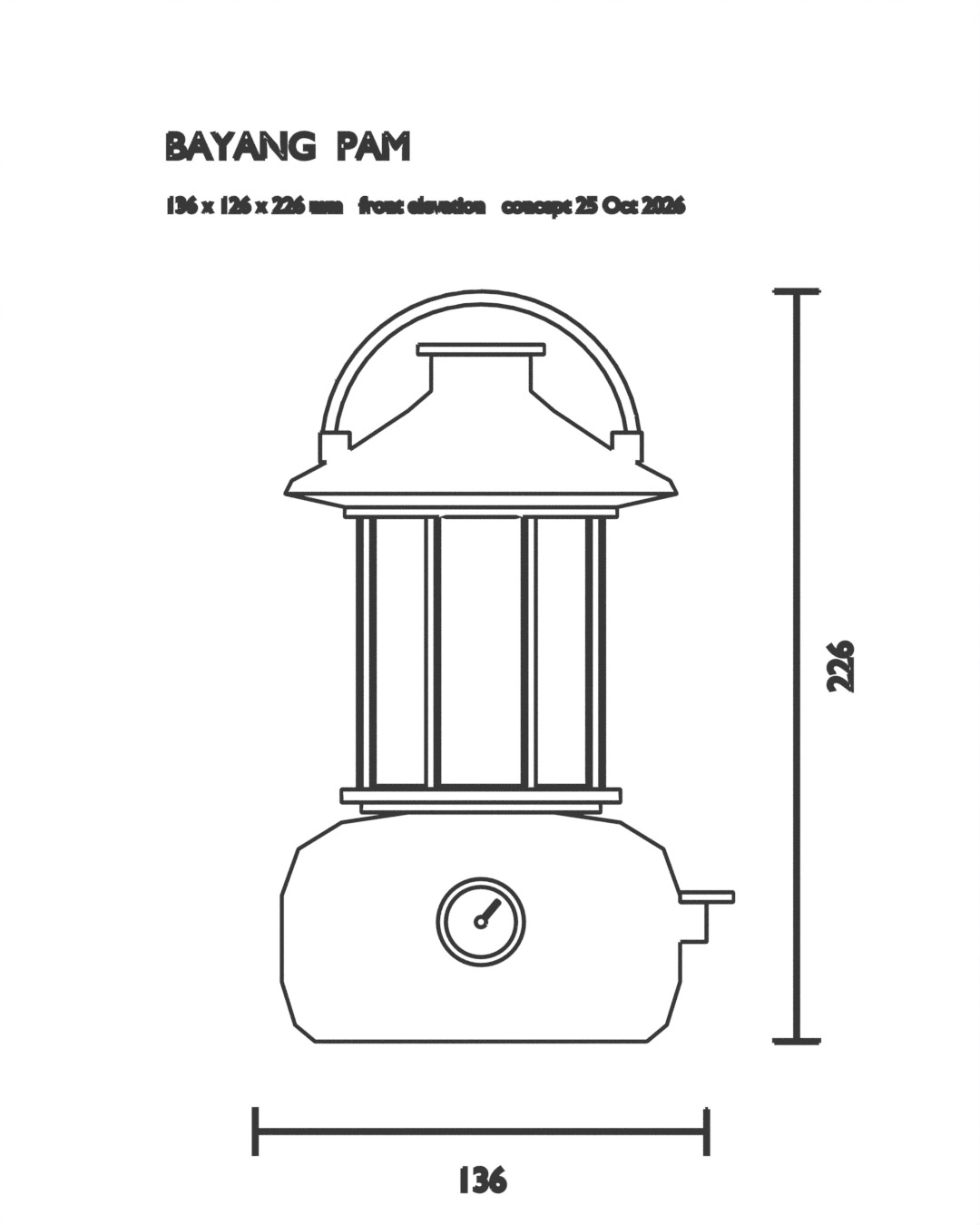
A rounded brass tank with a small round gauge on the front, a frosted cylinder of light held between two rings by eight dark bars, and a brass hood and cap above. A hinged handle arcs over the top on two lugs.
In the room
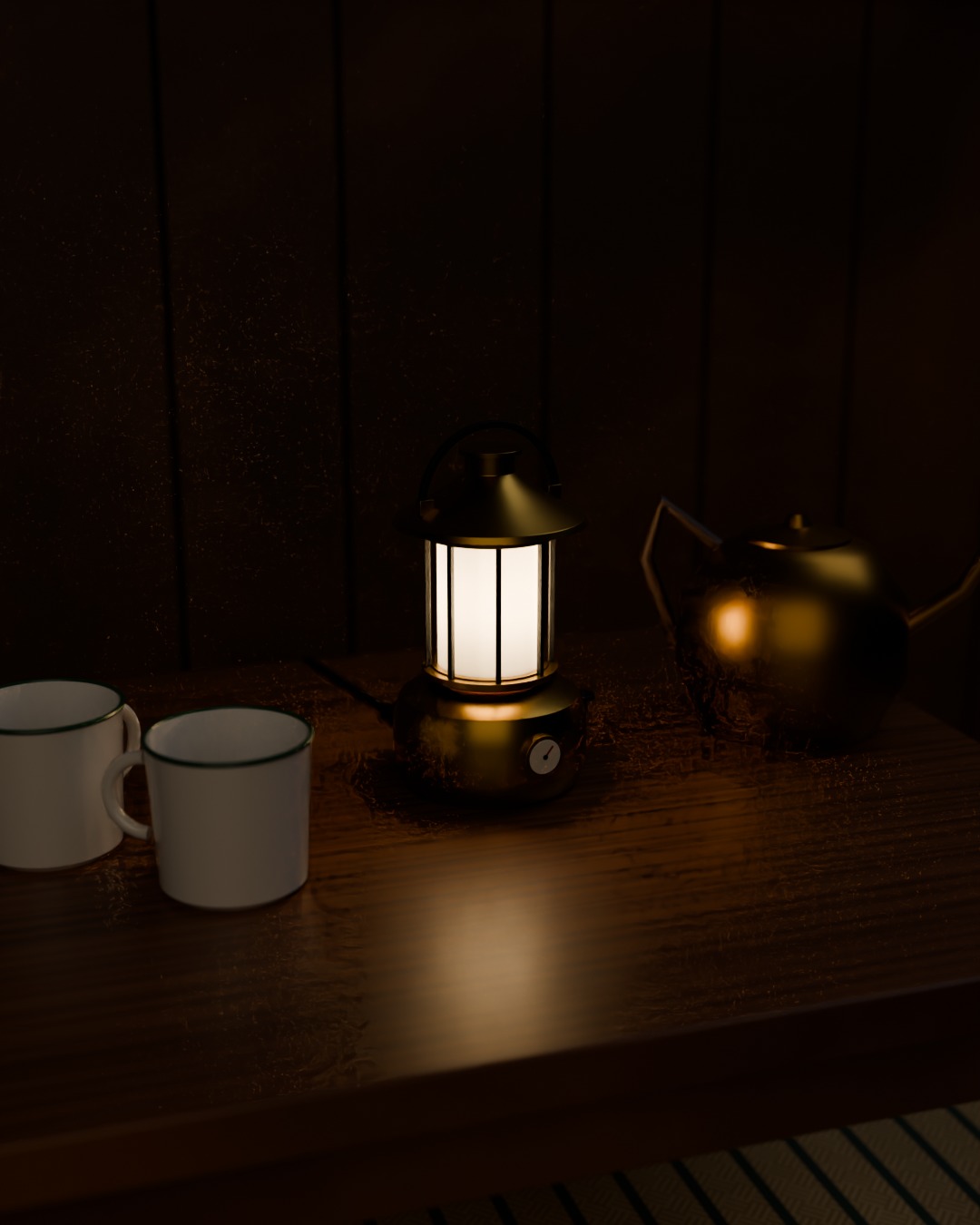
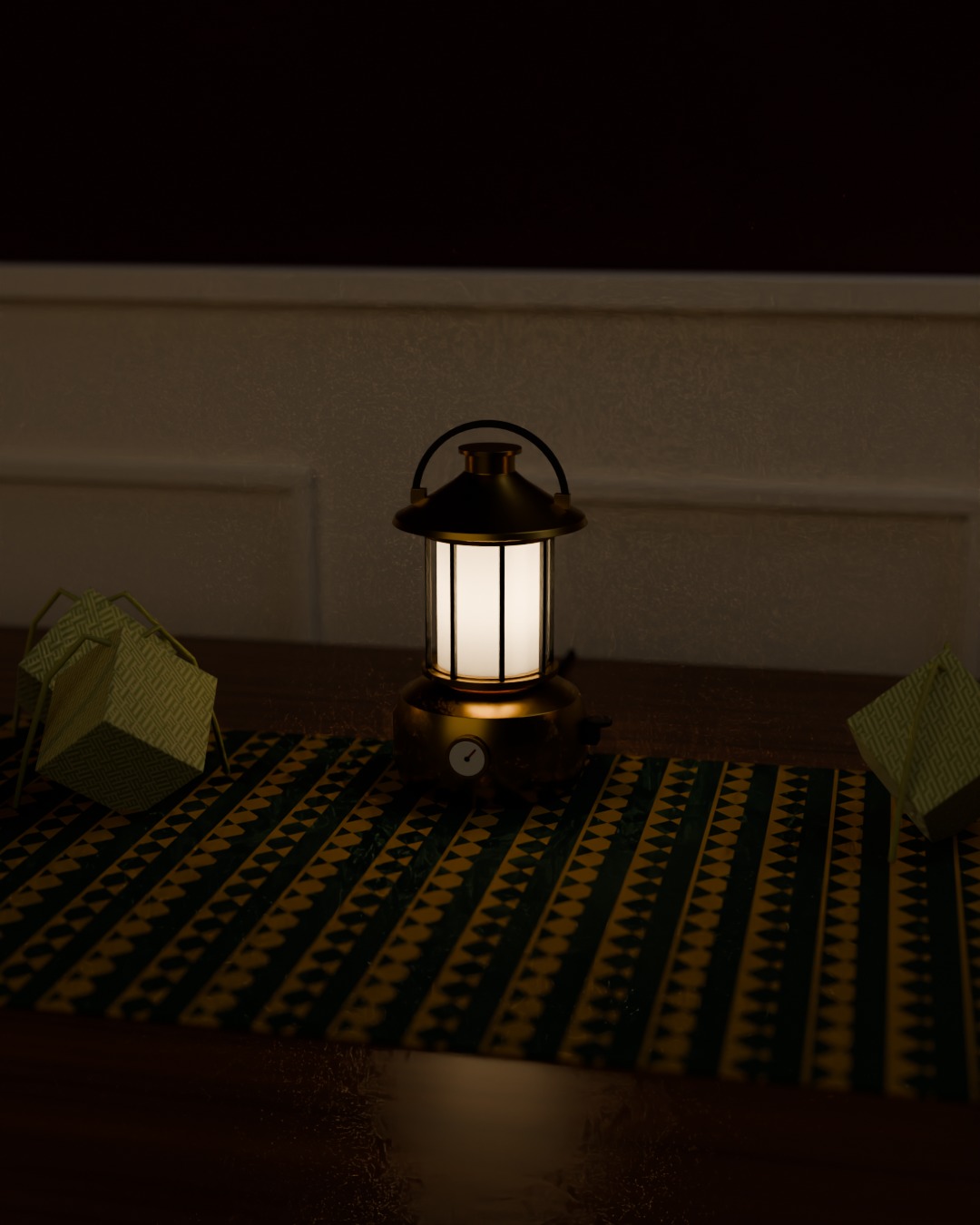
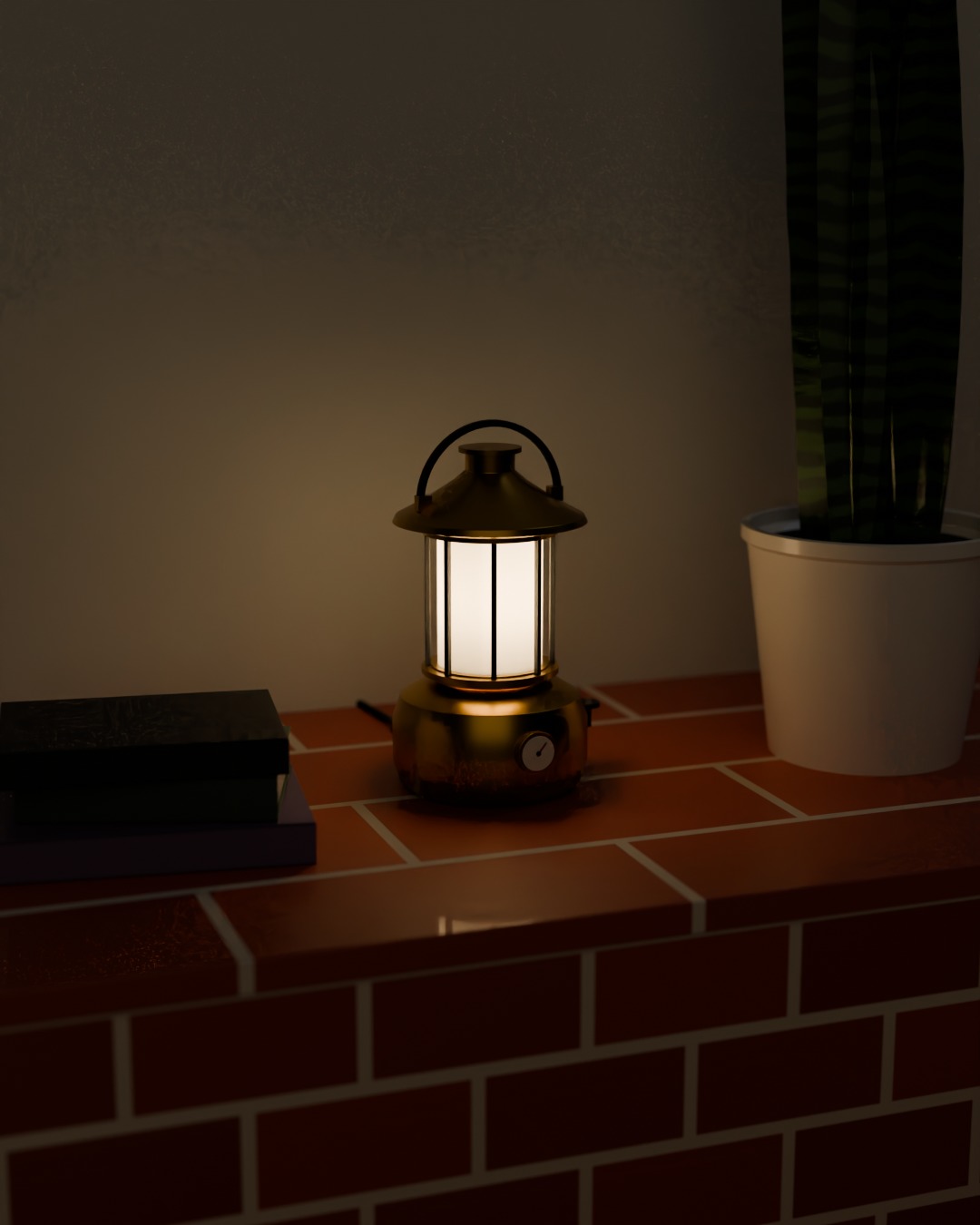
PAM gives a steady lantern glow, warm and contained. It is at home on a kampung-style table with enamel cups, on a Raya dining table, or on a shelf in a modern flat where it is the one old-looking thing in the room.
How it's made
The tank and hood print in brass-silk filament; the chimney is a single frosted wall printed in vase mode, and the guard bars and handle print flat. An E14 LED globe sits on the tank, inside the chimney, and the cord leaves through the base. The mains parts are bought-in electrical parts, never printed.
The lampu pam lit the pasar malam long before anyone strung up LEDs. PAM keeps the shape and leaves out the kerosene. — Fakhrul
Designed by Fakhrul